Markham, Ontario · Physician-performed
PRP Therapy in Markham
PRP uses your body's own concentrated growth factors to stimulate natural healing and tissue regeneration. It is an effective treatment for hair restoration, helping to improve hair thickness and reduce shedding, under-eye rejuvenation, improving skin quality and fine lines, and joint pain, supporting healing and reducing discomfort associated with tendon and joint injuries.
- Price
- from $600
- Appointment
- 60 minutes
- Performed by
- Dr. Mazzuca, MD
- Location
- Markham, ON
Book a Consultation Book Platelet Rich Plasma (PRP) directly
Quick answer
PRP in Markham at Dr. Monique Mazzuca Aesthetics starts at $600 per session and is drawn, prepared and injected personally by a licensed physician. A small sample of your own blood is spun to concentrate the platelets, then the platelet-rich plasma is injected into the scalp for hair thinning, under the eyes and into the skin for rejuvenation, or into joints and tendons for pain. Most protocols are 3 sessions about a month apart, with results building over 3 to 6 months and maintenance every 6 to 12 months.
What PRP is
Platelet-rich plasma (PRP) is a concentrate made from your own blood. Platelets are the small cells responsible for clotting, but they also carry hundreds of growth factors (PDGF, VEGF, TGF-beta, EGF and others) that signal tissue to repair, grow new blood vessels and build collagen. A standard tube of blood is spun in a centrifuge to separate the red cells, leaving a golden plasma with three to five times the normal platelet concentration. Because it comes entirely from you, there is nothing to be allergic to and nothing synthetic is introduced.
PRP has been used in orthopaedics and sports medicine for decades and, more recently, in dermatology and hair restoration. Dr. Mazzuca uses it in four ways: scalp injections for hair thinning, under-eye and facial injections for rejuvenation, topical application with microneedling, and joint or tendon injections for pain.
How PRP works
When PRP is injected into tissue, the platelets activate and release their growth factors over several days. In the scalp, those signals prolong the growth phase of hair follicles, improve blood supply and can reawaken miniaturised follicles that are still alive. In the skin, they stimulate fibroblasts to make collagen and elastin and improve microcirculation, which is why under-eye hollows and crepey skin look brighter and firmer over time. In a joint or tendon, they recruit repair cells and modulate inflammation.
PRP is regenerative rather than instant: it asks your tissue to rebuild itself, so results arrive over weeks to months and depend on the health of the tissue being treated. That is also why it is repeated in a short series and then maintained.
PRP for hair loss and thinning
PRP is best for androgenetic (pattern) hair loss in men and women, and for diffuse thinning where follicles are shrinking but still present. A 2025 systematic review of 43 randomised trials (1,877 patients) concluded that PRP is safe and effective at increasing hair density and reducing shedding compared with placebo, with moderate-quality evidence. It does not regrow hair from follicles that have been dead for years, which is why earlier treatment gives better results. It can be combined with minoxidil, finasteride or other medical therapy, and Dr. Mazzuca, as a physician, can prescribe and manage those alongside PRP.
The usual protocol is three or four monthly sessions, then a maintenance session every four to six months. Shedding typically reduces within the first two months; visible thickening takes three to six months. Patients with scarring alopecia, alopecia areata or hair loss from thyroid disease, iron deficiency or medication need a medical work-up first, which Dr. Mazzuca can arrange.
PRP for under-eyes and skin rejuvenation
The under-eye area is thin and unforgiving: filler can look puffy or bluish there, and lasers are limited. PRP is a gentle alternative that improves the crepey texture, fine lines and dark, tired look of the lower eyelid by thickening the skin and improving circulation over a series of treatments. It is also injected as a "skin booster" across the cheeks, around the mouth, on the neck and on the backs of the hands, and it is applied topically after microneedling (the "vampire facial") for a brighter, smoother complexion.
PRP does not add volume the way a hyaluronic acid filler does. For a hollow tear trough, Dr. Mazzuca may recommend PRP alone, a small amount of filler alone, or PRP first and filler later, depending on your anatomy; see the under-eye page for how she decides.
PRP for joints and tendons
PRP is used in sports and musculoskeletal medicine for osteoarthritis of the knee, hip, shoulder and hands, and for chronic tendinopathies such as tennis elbow, golfer's elbow, patellar and Achilles tendinopathy and plantar fasciitis. Multiple randomised trials in knee osteoarthritis show PRP can reduce pain and improve function for six to twelve months, with several head-to-head studies finding it lasts longer than a cortisone or hyaluronic acid injection, although results vary and the evidence is still evolving. PRP does not rebuild lost cartilage and is not a substitute for a joint replacement in advanced disease.
Because Dr. Mazzuca is a physician, joint PRP begins with a proper history and examination and, where needed, imaging. Full details are on the joint regenerative therapy page.
How many PRP sessions you need
| Treatment | Initial series | Maintenance |
|---|---|---|
| Hair thinning | 3 to 4 sessions, 4 weeks apart | Every 4 to 6 months |
| Under-eyes | 3 sessions, 4 to 6 weeks apart | Every 6 to 12 months |
| Skin rejuvenation / with microneedling | 3 sessions, 4 weeks apart | Every 6 months |
| Joint or tendon | 1 to 3 injections, 2 to 4 weeks apart | As needed, often 6 to 12 months |
How much PRP costs in Markham
PRP with Dr. Mazzuca starts at $600 per session, with the appointment booked for 60 minutes to allow for the blood draw, preparation and injection. PRP for hair loss is listed from $450 (45 minutes) and joint PRP from $600. Series pricing is discussed at your consultation. New patients begin with the $50 Comprehensive Aesthetic Consultation or a $20 virtual consultation. Cosmetic PRP is not covered by OHIP; PRP for musculoskeletal conditions may be eligible under some extended health plans, so ask your insurer.
Across the GTA, physician-performed PRP generally costs $500 to $1,200 per session. Very low-priced PRP is often prepared with low-concentration kits or performed by non-medical staff.
Who PRP is for, and who should wait
Good candidates are adults in reasonable health with early to moderate hair thinning, tired or crepey under-eyes, dull skin, or joint and tendon pain that has not responded to rest and physiotherapy. PRP is also a natural fit for patients who want to avoid synthetic products.
PRP is not offered if you have a platelet disorder or low platelet count, a blood-borne infection, an active cancer or a history of blood cancer, are on chemotherapy, take blood thinners that cannot be paused, or are pregnant. Heavy smokers and patients with uncontrolled diabetes respond less well because their platelets are less effective. Anti-inflammatory medications (ibuprofen, naproxen) are paused for a week before and two weeks after treatment because they blunt the healing response.
What the appointment is like
- Blood draw. One or two small tubes are drawn from your arm, the same as a routine blood test.
- Preparation. The tubes are spun in a centrifuge for about 10 minutes, and the platelet-rich layer is drawn off and, where appropriate, activated.
- Numbing. Topical anaesthetic for the face and scalp; local anaesthetic for joints if needed.
- Injection. Many small, shallow injections across the scalp or skin, or a single guided injection into a joint or tendon. The scalp takes about 15 minutes.
- Home. The entire visit is under an hour. Scalp patients can drive themselves; joint patients may prefer a ride.
Results timeline
PRP does not deliver an overnight result. Hair: less shedding by month two, visible thickening at three to six months, best result at six to nine months after the series. Under-eyes and skin: brighter and more hydrated within two weeks, with progressive improvement in texture and fine lines over three months. Joints and tendons: some soreness for the first week, then gradual improvement in pain and function over four to eight weeks, often lasting six to twelve months.
Results last as long as the tissue you rebuilt, which is why maintenance sessions are recommended, and why PRP works best alongside a good medical plan (for hair) or physiotherapy (for joints).
Side effects and safety
Because PRP is your own blood, allergic reaction and rejection are not a concern. Expected effects are tenderness, swelling, redness and small bruises at the injection sites for one to three days, a tight or "full" feeling in the scalp for a day, and, for joints, a flare of aching for two to seven days as the healing response begins. Rare risks are infection, nerve irritation and, for joints, a temporary increase in stiffness. Sterile technique and a physician's assessment keep these risks very low.
Aftercare
- Avoid anti-inflammatories (ibuprofen, naproxen, aspirin) for two weeks; use acetaminophen if needed.
- Scalp: do not wash your hair for 12 to 24 hours; avoid colouring or chemical treatments for one week; resume minoxidil the next day.
- Face and under-eyes: no makeup for 24 hours, no strenuous exercise, saunas or alcohol for 24 to 48 hours, and no retinol or acids for a few days. Sleep with your head slightly elevated the first night.
- Joints: relative rest for 48 hours, then gentle movement; avoid heavy loading for one to two weeks and follow the physiotherapy plan you were given.
- Ice can be used for comfort, but not heat in the first 48 hours.
PRP vs PRF, filler, minoxidil and cortisone
| Option | What it is | When Dr. Mazzuca recommends it |
|---|---|---|
| PRP | Concentrated platelets in plasma | Hair thinning, under-eyes, skin quality, joints; results over months; no foreign material |
| PRF | A slower, lower-spin preparation that forms a fibrin scaffold and releases growth factors more gradually | Under-eyes and skin, where a gel-like consistency and prolonged release are helpful; used interchangeably with PRP depending on the goal |
| Hyaluronic acid filler | An injectable gel that adds volume immediately | True hollowing or loss of structure; immediate and dissolvable; not for skin quality |
| Minoxidil / finasteride | Prescription medical therapy for pattern hair loss | Almost always alongside PRP for hair; Dr. Mazzuca can prescribe and monitor |
| Cortisone injection | A steroid anti-inflammatory | Fast, short-term relief in joints; repeated use can weaken tissue, so PRP is often preferred for longer-term management |
Why patients choose a physician for PRP in Markham
PRP involves drawing blood, preparing a biologic product and injecting it, sometimes into a joint. In Ontario, that is a medical procedure. At this clinic it is performed start to finish by Dr. Mazzuca, a licensed physician (MD, CCFP) with additional training in cosmetic medicine and facial anatomy, who can also diagnose the cause of your hair loss or joint pain, order tests, prescribe adjunct medication and manage any complication. Treatment is never delegated.
PRP near you: serving Markham and York Region
The clinic is at 200 Cachet Woods Court, Suite 309, in the Cachet Woods professional buildings near Woodbine Avenue and Major Mackenzie Drive, with free parking on site. Patients visit from Unionville, Cachet, Angus Glen, Berczy Village, Cornell, Wismer, Markham Village, Thornhill, Richmond Hill, Stouffville, Vaughan, Aurora, Newmarket, North York, Scarborough and across the Greater Toronto Area.
Frequently asked questions about PRP in Markham
How much does PRP cost in Markham?
PRP with Dr. Mazzuca starts at $600 per session; PRP for hair loss is listed from $450 and joint PRP from $600. A series of three sessions is usually recommended, and series pricing is confirmed at your $50 consultation.
Does PRP work for hair loss?
For pattern (androgenetic) hair loss and diffuse thinning, yes: a 2025 meta-analysis of 43 randomised trials found PRP increased hair density and reduced shedding compared with placebo. It works best on follicles that are shrinking rather than gone, so earlier treatment is better, and it is often combined with minoxidil or finasteride.
How many PRP sessions do I need?
Usually three to four sessions about a month apart, then maintenance every four to six months for hair or six to twelve months for skin. Joints often need one to three injections.
When will I see results from PRP?
Hair: less shedding by month two and visible thickening at three to six months. Skin and under-eyes: brighter within two weeks and progressive improvement over three months. Joints: gradual pain relief over four to eight weeks.
Does PRP hurt?
The blood draw is like a routine test. Numbing cream is applied before scalp or facial injections, which feel like brief pinches. Joint injections use local anaesthetic and may ache for a few days afterwards.
What is the downtime after PRP?
Minimal. Expect some redness, swelling and tenderness for one to three days. Most patients go back to work the same or next day; avoid heavy exercise for 24 to 48 hours.
Is PRP safe?
Yes. Because it is made from your own blood there is no risk of allergy or rejection. Risks are limited to bruising, temporary swelling, and rarely infection, which sterile physician technique keeps very low.
Can PRP replace under-eye filler?
Sometimes. PRP improves the skin quality, texture and dark, tired look of the under-eye; filler replaces lost volume in a true hollow. Dr. Mazzuca will tell you which you need, and some patients benefit from PRP first and a small amount of filler later.
What is a vampire facial?
Microneedling with your own PRP applied to the skin during and after treatment. It improves glow, texture and acne scarring more than microneedling alone.
What is the difference between PRP and PRF?
PRF (platelet-rich fibrin) is spun more slowly without anticoagulant, forming a fibrin gel that releases growth factors gradually. Both are made from your own blood; Dr. Mazzuca chooses based on the area and goal.
Does PRP work for knee pain or arthritis?
Randomised trials in knee osteoarthritis show PRP can reduce pain and improve function for six to twelve months, often longer than cortisone. It does not rebuild cartilage and is not a substitute for surgery in advanced arthritis. A physician assessment comes first.
Can I take ibuprofen after PRP?
No. Anti-inflammatories blunt the healing response, so avoid them for about a week before and two weeks after. Acetaminophen is fine.
Who should not have PRP?
Patients with platelet or bleeding disorders, active infection, active or blood cancers, those on chemotherapy or non-pausable blood thinners, and pregnant patients. Heavy smokers respond less well.
Who performs PRP at the clinic?
Dr. Monique Mazzuca, a licensed physician (MD, CCFP), draws, prepares and injects the PRP herself. Nothing is delegated.
Do I need a consultation first?
Yes for new patients: the Comprehensive Aesthetic Consultation ($50) lets Dr. Mazzuca diagnose the cause of your concern and plan the series. Returning patients can book PRP directly.
Where is the clinic?
200 Cachet Woods Court, Suite 309, Markham, Ontario L6C 0Z8, near Woodbine Avenue and Major Mackenzie Drive, with parking on site.
Sources and further reading
- Platelet-Rich Plasma in the Management of Alopecia: systematic review and meta-analysis of 43 RCTs (Dermatology and Therapy, 2025)
- Gupta et al., PRP in hair restoration and facial aesthetics: systematic review and meta-analysis (J Cutan Med Surg, 2019)
- Is autologous PRP capable of increasing hair density in androgenic alopecia? Meta-analysis of RCTs (PMC, 2024)
- College of Physicians and Surgeons of Ontario, public register.
Every treatment on this page is booked through Dr. Mazzuca's secure online system. New patients begin with a consultation; returning patients can book the treatment directly.
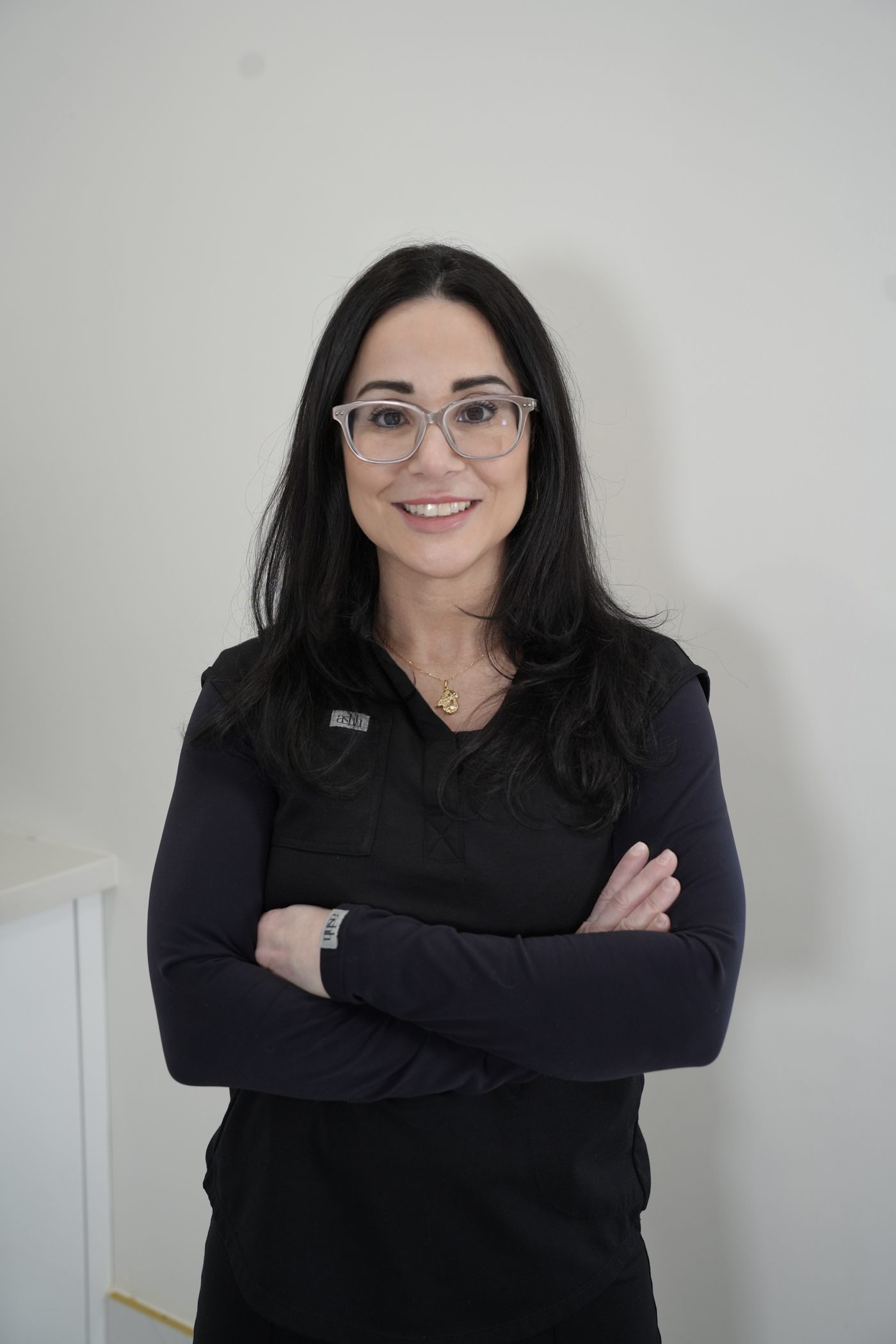
Dr. Mazzuca is a licensed physician practising medical aesthetics in Markham, Ontario, with additional training in cosmetic medicine, facial anatomy, women's health, and longevity medicine. Every treatment at the clinic is performed by her personally. Her registration can be verified through the College of Physicians and Surgeons of Ontario.
Written and medically reviewed by Dr. Monique Mazzuca, MD, CCFP. Last reviewed 2026-09-07.
This page is general information, not medical advice, and it is not a substitute for an in-person assessment. Results vary between patients, and every treatment carries risks that are reviewed with you before you consent. Suitability is determined by Dr. Mazzuca at your consultation.
Other treatments at the clinic
Book your prp appointment
See real-time availability and book directly with Dr. Mazzuca in Markham.
Book a ConsultationOr call 905‑605‑6745