Markham, Ontario · Physician-performed
PRP for Hair Loss in Markham
Restore healthier, fuller-looking hair with evidence-based treatments that stimulate the scalp, strengthen existing follicles, and promote natural hair growth. Personalized treatment plans, including PRP and regenerative therapies, help reduce shedding and improve hair density for both women and men.
- Price
- from $450
- Appointment
- 45 minutes
- Performed by
- Dr. Mazzuca, MD
- Location
- Markham, ON
Book a Consultation Book PRP for Hair Loss directly
Quick answer
PRP for hair loss in Markham at Dr. Monique Mazzuca Aesthetics starts at from $450 per session and is drawn, prepared and injected personally by a licensed physician (MD, CCFP) in a 45-minute appointment. A small sample of your own blood is spun to concentrate the platelets, and the platelet-rich plasma is injected into thinning areas of the scalp to support weakening follicles, reduce shedding and improve density. Most patients have 3 to 4 sessions about a month apart; shedding typically settles within the first few months, visible thickening usually takes 3 to 6 months, and maintenance is every 4 to 6 months. Downtime is minimal. New patients start with the $50 Comprehensive Aesthetic Consultation so the cause of the hair loss can be assessed first.
What PRP for hair loss is
Platelet-rich plasma (PRP) is a concentrate made from a small sample of your own blood. Platelets are best known for clotting, but they also carry growth factors that signal tissue to repair itself and to build new blood vessels. When blood is spun in a centrifuge, the red cells separate out and leave a layer of plasma with a higher concentration of platelets than normal blood. That layer is drawn off and injected into the scalp where hair is thinning.
Because PRP comes entirely from you, there is nothing synthetic introduced and no risk of an allergic reaction to the material itself. It is not a hair-growth drug and it does not create new follicles. It is a regenerative treatment that aims to help the follicles you still have work better, which is why it is usually one part of a personalized plan rather than a stand-alone cure. Dr. Mazzuca also offers PRP for the face, under-eyes and joints; the general overview is on the PRP page.
How PRP works on the scalp
Each hair follicle cycles through a growth phase (anagen), a short transition phase and a resting phase (telogen), after which the hair sheds and a new one starts to grow. In pattern hair loss, follicles gradually shrink (miniaturise): the growth phase gets shorter, each new hair grows back finer and shorter, and over years some follicles stop producing visible hair at all. Increased shedding and a widening part or receding hairline are the visible signs.
When PRP is injected around these follicles, the platelets release their growth factors over the following days. The proposed effects are to prolong the growth phase, improve blood supply around the follicle and support the cells at the base of the hair that drive growth. In practice, patients who respond tend to notice less shedding first, then thicker, longer-lasting hairs in the treated areas. The response depends on how many living follicles remain, which is why earlier treatment generally gives better results than waiting until an area is smooth.
PRP for hair loss in Markham: what it treats
PRP is used most often, and has the most supporting evidence, for:
- Androgenetic alopecia in men, the familiar pattern of a receding hairline and thinning at the crown.
- Female pattern hair loss, usually a widening part and thinning over the top of the scalp with the hairline preserved.
- Diffuse thinning and reduced density where follicles are shrinking but still present.
- Increased shedding, once a medical cause has been looked for and addressed.
Some forms of hair loss are not PRP problems, or need a different treatment first. Scarring (cicatricial) alopecias, active scalp inflammation, patchy alopecia areata, hair loss from pulling or tight hairstyles, and shedding caused by thyroid disease, low iron, recent illness, pregnancy or medication all need a diagnosis before anyone injects anything. Dr. Mazzuca will tell you plainly if PRP is unlikely to help.
Finding the cause of hair loss first
Hair loss is a symptom, not a diagnosis. Because Dr. Mazzuca is a family physician, your first visit is a medical assessment rather than a sales conversation. She will ask when the thinning started, whether it is gradual or sudden, family history, recent stress, illness, weight change, pregnancy or new medications, your diet, and how you style and treat your hair. She examines the pattern of loss and the scalp itself.
Where it is appropriate, she may order bloodwork, for example iron stores and thyroid function, because correcting a deficiency or an underactive thyroid can matter more than any injection. Women with irregular periods, acne or other signs of hormonal imbalance may need further assessment. If she suspects a scarring alopecia or another condition that needs a scalp biopsy or a dermatologist, she will arrange a referral.
How many PRP sessions you need
PRP for hair is done as a series, because follicles respond over months, not days. Protocols vary between clinics and studies, and Dr. Mazzuca adjusts the plan to how you respond, but a typical course looks like this:
| Phase | Typical schedule | At from $450 per session |
|---|---|---|
| Initial series | 3 to 4 sessions, about 4 weeks apart | from $1,350 to $1,800 |
| Review | Photos and assessment about 3 months after the series | Included in your plan discussion |
| Maintenance | 1 session every 4 to 6 months | from $900 to $1,350 a year |
These are illustrative figures using the listed starting price, not quotes. Your plan and pricing are confirmed at your assessment before treatment begins.
How much PRP for hair loss costs in Markham
PRP for hair loss with Dr. Mazzuca is from $450 per session, booked as a 45-minute appointment that covers the blood draw, preparation and scalp injections. New patients begin with the $50 Comprehensive Aesthetic Consultation (30 minutes), or a $20 virtual consultation if you are outside the Markham area. Treatment for hair loss is considered cosmetic and is not covered by OHIP. Bloodwork ordered as part of a medical work-up is handled separately and may be covered.
When comparing prices, ask who prepares and injects the PRP, how it is prepared, and whether anyone is looking for the underlying cause. A lower price per session is not a saving if the hair loss has a medical cause that is never found.
Who PRP for hair loss is for, and who should wait
Good candidates are healthy adults, women and men, with early to moderate pattern thinning or diffuse loss of density, whose follicles are shrinking but still present. Patients who have just started noticing a wider part, a thinner ponytail or more scalp showing under bright light tend to do best. PRP also suits patients who want to add a drug-free option to medical therapy, or who cannot tolerate or prefer not to use certain medications.
PRP is less helpful when an area has been completely bald and smooth for years, because there are few follicles left to stimulate. In that situation a hair transplant consultation may be the more honest recommendation.
Dr. Mazzuca will review your history and may postpone or advise against PRP if you:
- are pregnant or breastfeeding;
- have a platelet disorder, a low platelet count or a bleeding disorder;
- take blood thinners that cannot safely be paused;
- have an active scalp infection, open sores or active inflammation in the treatment area;
- have an active cancer, a history of blood cancer, or are receiving chemotherapy;
- have a significant systemic infection or are unwell on the day of treatment.
Heavy smoking and poorly controlled diabetes can reduce how well platelets work, so results may be weaker. Anti-inflammatory medications such as ibuprofen and naproxen are usually paused for about a week before and two weeks after treatment, because they may blunt the healing response. Always tell Dr. Mazzuca about every medication and supplement you take, and never stop a prescribed blood thinner without speaking to the doctor who prescribed it.
What the appointment is like
- Check-in and review. Dr. Mazzuca reviews your progress and, where helpful, takes standardized photos of the scalp so change can be measured over time.
- Blood draw. One or two small tubes of blood are drawn from your arm, the same as a routine blood test.
- Preparation. The tubes are spun in a centrifuge to separate the platelet-rich plasma, which is then drawn up into fine syringes.
- Comfort. The scalp is cleansed. Numbing options are discussed with you; most patients describe the injections as a series of quick pinches and pressure.
- Injection. Small amounts of PRP are placed just under the skin across the thinning areas, in a grid pattern. This part usually takes about 10 to 15 minutes.
- Home. You leave with written aftercare instructions. Most patients drive themselves and return to normal activities the same day.
The whole visit is booked for 45 minutes. Hair does not need to be cut or shaved, and the injection sites are hidden by your hair.
Results: when you see them and how long they last
PRP works slowly, and patience matters. Results vary between patients, and some people respond more than others. As a general guide:
- First 1 to 3 months: many patients notice less hair on the pillow, in the shower and in the brush.
- 3 to 6 months: hairs in the treated areas start to look thicker, and the scalp may show less under light.
- 6 to 12 months: the fullest result from the initial series is usually seen in this window.
Comparing standardized photos is the most reliable way to judge progress, because daily changes are hard to see in the mirror. The underlying cause of pattern hair loss does not go away, so without maintenance the benefit gradually fades over months. That is why a maintenance session every four to six months, and often medical therapy alongside, is recommended for patients who respond. If you have not seen a meaningful response after a full series, Dr. Mazzuca will say so and discuss other options rather than continuing indefinitely.
Side effects and risks
PRP for hair has a good safety profile in published studies. Because it is made from your own blood, allergy and rejection are not a concern. Common, temporary effects include:
- tenderness, a tight or "full" feeling, and mild swelling of the scalp for a day or two;
- small spots of bleeding or scabbing at injection points;
- a headache on the day of treatment;
- mild bruising at the blood-draw site or on the scalp;
- occasionally, swelling that tracks down to the forehead or around the eyes for a day or two, which settles on its own.
Rare risks include infection, temporary nerve irritation or numbness of the scalp, and feeling light-headed during the blood draw. Some patients notice a brief increase in shedding after starting treatment; this is not well understood and usually settles. Sterile technique and a physician's assessment keep risks low. Contact the clinic if you develop spreading redness, increasing pain, warmth or fever after treatment.
Aftercare
- Leave your hair unwashed for the rest of the day; you can usually wash gently with a mild shampoo the next day.
- Avoid hair colouring, perms, relaxers and other chemical treatments for about a week.
- Skip strenuous exercise, saunas, steam rooms and hot tubs for 24 to 48 hours.
- Avoid ibuprofen, naproxen and aspirin (unless prescribed) for about two weeks; acetaminophen is fine for tenderness.
- Avoid alcohol and smoking for a couple of days, as both can affect healing.
- If you use topical minoxidil, Dr. Mazzuca will tell you when to restart it, usually the next day.
- Protect your scalp from strong sun while it is tender.
PRP vs minoxidil, finasteride and hair transplant
| Option | What it is | Where it fits |
|---|---|---|
| PRP | Your own concentrated platelets injected into the scalp | Early to moderate thinning; drug-free; often combined with medical therapy; needs maintenance |
| Minoxidil | A topical (or, in selected patients, low-dose oral) medication that prolongs the growth phase | A first-line option for men and women; works only while used; Dr. Mazzuca can advise and prescribe where appropriate |
| Finasteride and related medications | Prescription tablets that reduce the hormone driving male pattern loss | A first-line option for many men; not for women who are or may become pregnant; side effects are reviewed before prescribing |
| Other prescription options for women | Medications chosen for the individual, such as anti-androgen therapy in selected patients | Female pattern loss, especially with hormonal features; chosen after a medical assessment |
| Hair transplant | Surgery that moves follicles from the back of the scalp to thinning areas | Established bald areas with good donor hair; performed by a hair restoration surgeon; PRP and medication are often still used to protect the remaining hair |
These options are not mutually exclusive. Many patients get the best result from a combination, for example PRP plus a medication, chosen after the cause of the hair loss is known. PRP for the face or under-eyes uses the same preparation; see PRP regenerative therapy and under-eye rejuvenation.
Why patients choose a physician for PRP hair treatment
At this clinic the person assessing you and the person treating you are the same person, and that person is a licensed physician. Dr. Mazzuca is an MD with CCFP certification in family medicine and additional training in cosmetic medicine, facial anatomy, women's health, and longevity medicine. Treatment is not delegated.
Her stated approach is to emphasise "subtle, elegant results that refresh rather than transform, using the least invasive treatments necessary to achieve safe, natural, and lasting outcomes."
For hair loss, that matters for more than the injection itself. Drawing blood and preparing PRP is a medical procedure, and the more important job is working out why the hair is thinning. As a family physician, Dr. Mazzuca can take a full history, order and interpret bloodwork, prescribe and monitor medical therapy alongside PRP, and refer you to a dermatologist or hair restoration surgeon when that is the better path.
Booking, pricing and what happens next
| Step | What it involves | Cost |
|---|---|---|
| 1. Consultation | Facial and skin assessment, discussion of goals, customized plan | $50 (30 min) |
| 2. Virtual option | Video consult if you are outside the Markham area | $20 (15 min) |
| 3. PRP for Hair Loss | Treatment performed by Dr. Mazzuca | from $450 (45 minutes) |
All appointments are booked online through the clinic's booking system, where current availability and pricing are shown before you confirm.
Serving Markham and the Greater Toronto Area
The clinic is located at 200 Cachet Woods Court, Suite 309 in the Cachet Woods area of Markham, near Woodbine Avenue and Major Mackenzie Drive, with parking on site. Patients travel from Unionville, Richmond Hill, Vaughan, Aurora, Stouffville, Thornhill, North York, Scarborough and the wider GTA. If you are outside the area, a virtual consultation is available before you commit to an in-person visit.
Frequently asked questions
How much does prp for hair loss cost in Markham?
This treatment is from $450 at Dr. Mazzuca's Markham clinic. Exact pricing depends on your assessment and treatment plan, which is confirmed before treatment begins.
Who performs the treatment?
Every treatment is performed by Dr. Monique Mazzuca, a licensed physician (MD, CCFP) with additional training in cosmetic medicine and facial anatomy. It is not delegated to a technician.
How long is the appointment?
This appointment is scheduled for 45 minutes, which includes your assessment, the treatment, and aftercare instructions.
Do I need a consultation first?
If you are new to the clinic, book a Comprehensive Aesthetic Consultation ($50, 30 minutes). Dr. Mazzuca assesses your concerns and builds a plan before any treatment is booked.
Where is the clinic located?
The clinic is at 200 Cachet Woods Court, Suite 309, Markham, Ontario L6C 0Z8, in the Cachet Woods area near Woodbine Avenue and Major Mackenzie Drive. Patients travel from Unionville, Richmond Hill, Vaughan, Aurora, Stouffville and across the Greater Toronto Area.
Does PRP for hair loss actually work?
For pattern hair loss and diffuse thinning, randomised trials and meta-analyses have found that PRP can increase hair density and reduce shedding compared with placebo, although results vary between patients and studies. It works best on follicles that are shrinking rather than gone, so earlier treatment tends to do better.
Does PRP for hair hurt?
The blood draw feels like a routine blood test. The scalp injections feel like quick pinches and pressure; the crown and hairline tend to be more sensitive. Comfort options are discussed before treatment, and tenderness usually settles within a day or two.
How long do PRP hair results last?
The benefit from an initial series usually lasts several months, but pattern hair loss continues in the background, so results gradually fade without maintenance. Most responders have a maintenance session every four to six months.
How much does PRP for hair loss cost per year?
Using the listed starting price of $450 per session, an initial series of 3 to 4 sessions is from $1,350 to $1,800, and maintenance every 4 to 6 months is roughly from $900 to $1,350 a year. Your plan and exact pricing are confirmed at your assessment.
Can I use minoxidil or finasteride with PRP?
Yes, and many patients do. PRP is often combined with medical therapy for a better result. Dr. Mazzuca will tell you when to pause and restart topical products around treatment, and can prescribe and monitor medication where appropriate.
Is PRP an option for women with thinning hair?
Yes. Female pattern hair loss is one of the main reasons women seek PRP. Because thinning in women is often linked to iron, thyroid or hormonal factors, Dr. Mazzuca assesses for these first. PRP is not offered during pregnancy or breastfeeding.
Will PRP grow hair on a completely bald area?
Usually not. PRP supports follicles that are still alive. An area that has been smooth and shiny for years has few follicles left, and a hair transplant consultation may be more appropriate.
Sources and further reading
- Platelet-Rich Plasma in the Management of Alopecia: systematic review and meta-analysis of 43 RCTs (Dermatology and Therapy, 2025)
- Gupta et al., PRP in hair restoration and facial aesthetics: systematic review and meta-analysis (J Cutan Med Surg, 2019)
- Is autologous PRP capable of increasing hair density in androgenic alopecia? Meta-analysis of RCTs (PMC, 2024)
- College of Physicians and Surgeons of Ontario, public register.
Every treatment on this page is booked through Dr. Mazzuca's secure online system. New patients begin with a consultation; returning patients can book the treatment directly.
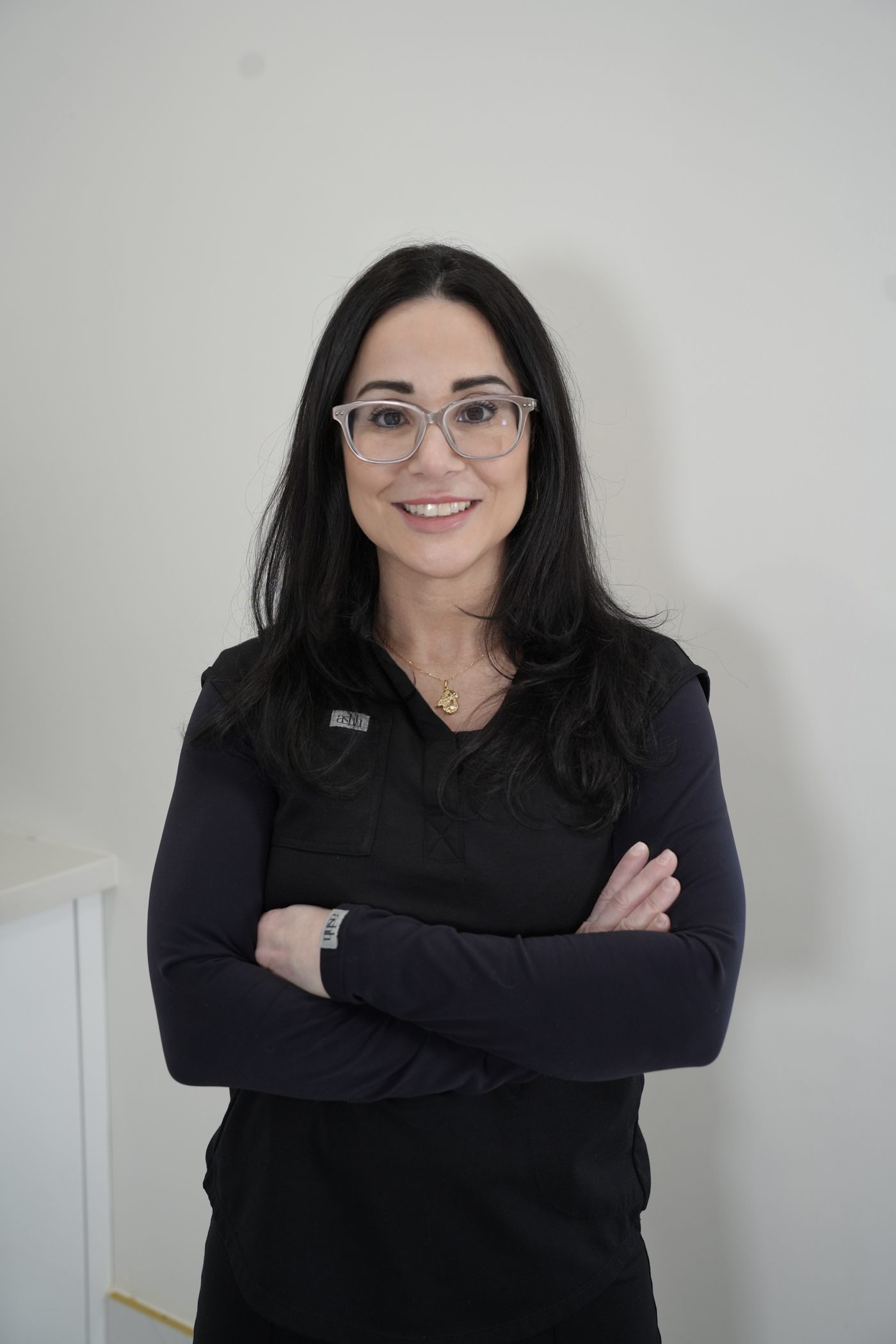
Dr. Mazzuca is a licensed physician practising medical aesthetics in Markham, Ontario, with additional training in cosmetic medicine, facial anatomy, women's health, and longevity medicine. Every treatment at the clinic is performed by her personally. Her registration can be verified through the College of Physicians and Surgeons of Ontario.
Written and medically reviewed by Dr. Monique Mazzuca, MD, CCFP. Last reviewed 2026-08-07.
This page is general information, not medical advice, and it is not a substitute for an in-person assessment. Results vary between patients, and every treatment carries risks that are reviewed with you before you consent. Suitability is determined by Dr. Mazzuca at your consultation.
Other treatments at the clinic
Book your prp for hair loss appointment
See real-time availability and book directly with Dr. Mazzuca in Markham.
Book a ConsultationOr call 905‑605‑6745