Markham, Ontario · Physician-performed
Under-Eye Rejuvenation in Markham
Refresh tired-looking eyes with personalized treatments that address dark circles, hollowness, fine lines, skin laxity, and volume loss. Using a customized combination of fillers, PRF +/- exosomes, collagen-stimulating treatments, microneedling, and skin resurfacing, we restore a brighter, smoother, and naturally rejuvenated appearance.
- Price
- from $600
- Appointment
- 60 minutes
- Performed by
- Dr. Mazzuca, MD
- Location
- Markham, ON
Book a Consultation Book Under-Eye Rejuvenation directly
Quick answer
Under-eye rejuvenation in Markham at Dr. Monique Mazzuca Aesthetics starts from $600 and is performed personally by a licensed physician (MD, CCFP) at 200 Cachet Woods Court, Suite 309, in a 60-minute appointment. It is a personalized plan rather than a single product: depending on whether the main problem is hollowing, thin crepey skin, fine lines or pigment, Dr. Mazzuca may use a small amount of hyaluronic acid filler, PRF +/- exosomes, collagen-stimulating treatments, microneedling or skin resurfacing. Filler shows immediately and typically lasts 9 to 18 months; regenerative treatments build gradually over a short series. Expect a few days of possible swelling or bruising. New patients start with a $50 consultation.
What under-eye rejuvenation is
The under-eye area is one of the most common reasons patients book a consultation, and one of the most demanding areas of the face to treat well. The skin of the lower eyelid is among the thinnest on the body, it sits over a layered arrangement of muscle, fat pads and ligaments, and it moves every time you blink, squint or smile. A "tired" look can come from several different causes at once, and each cause needs a different tool.
For that reason, under-eye rejuvenation at this clinic is a plan rather than a single injection. Dr. Mazzuca first works out why your under-eyes look the way they do, then chooses from hyaluronic acid filler, PRF (platelet-rich fibrin) with or without exosomes, collagen-stimulating treatments, microneedling and skin resurfacing, alone or in combination. Some patients need one treatment. Many do best with a staged approach over a few months, starting with the gentlest option that will make a visible difference.
How it works: matching the treatment to the cause
Dark circles and a tired appearance usually come from one or more of the following. Identifying which ones are present is the most important part of the visit, because a treatment aimed at the wrong cause will not help and can make things look worse.
| Cause | What you see | What usually helps |
|---|---|---|
| Volume loss (tear trough hollowing) | A groove or shadow running down and out from the inner corner of the eye, worse under overhead light | A small amount of hyaluronic acid filler; PRF to improve the skin over it |
| Thin, crepey skin | Fine crinkling and a bluish or purplish tinge where vessels and muscle show through | PRF +/- exosomes, microneedling, collagen-stimulating treatments |
| Pigmentation | Brown discolouration, often hereditary and more common in medium and deeper skin tones | Skin resurfacing and a careful skincare plan; filler does not treat pigment |
| Fine lines and crow's feet | Lines that deepen when you smile or squint | Botox for movement lines; microneedling or resurfacing for texture |
| Under-eye bags | A puffy bulge, often worse in the morning, caused by fat pads pushing forward | Usually a surgical problem; filler is used cautiously, if at all |
Hyaluronic acid filler replaces lost volume. A soft, smooth gel is placed deep, close to the bone, to soften the step between the lower eyelid and the cheek so the shadow it casts is reduced. Hyaluronic acid naturally attracts water, so far less product is used here than almost anywhere else on the face, and the result can be dissolved with hyaluronidase if needed.
PRF works differently. A small sample of your own blood is spun slowly, without anticoagulant, to produce a fibrin-rich preparation that releases growth factors gradually. Placed under thin under-eye skin, it encourages fibroblasts to produce new collagen and supports the small blood vessels, so over a series of sessions the skin tends to become firmer, brighter and less crepey. Exosomes are tiny vesicles that cells use to carry signalling molecules; in aesthetic medicine they are sometimes added to PRF or applied after microneedling to support repair. This is a newer area and the evidence is still developing, so Dr. Mazzuca explains what is and is not known before including them in a plan.
Microneedling, collagen-stimulating treatments and resurfacing create controlled micro-injury or gentle heat in the skin, prompting it to remodel. They improve texture, fine lines and tone gradually and are often combined with PRF.
Under-eye rejuvenation in Markham: what it treats
Concerns Dr. Mazzuca commonly assesses and treats in the under-eye area:
- Dark circles from hollowing, thin skin or pigment, often more than one cause at once.
- Tear trough hollowing that casts a shadow and makes you look tired even after a good night's sleep.
- Crepey texture and fine lines on the lower eyelid.
- Mild laxity and volume loss where the lower lid meets the cheek, which tends to increase with age.
- Hollowing after weight loss, including rapid weight loss on GLP-1 medications.
- Hereditary hollows in younger patients who have had a tired look since their twenties.
Under-eye rejuvenation is often part of a wider plan. Support in the mid-cheek, for example, can soften an under-eye shadow without placing much product directly under the eye, which is one reason Dr. Mazzuca assesses the whole face rather than the tear trough in isolation.
Who it suits, and who should wait
Good candidates are healthy adults with hollowing, thin or crepey skin, or a persistently tired look who want a subtle refresh rather than a different face. A well-defined hollow with reasonable skin quality and little puffiness tends to respond best to filler. Patients with thinner, crepey skin often do better starting with PRF and skin treatments, with a small amount of filler added later if it is still needed.
Non-surgical treatment is not the right tool for everyone. Prominent under-eye bags, festoons, swelling on the upper cheek that comes and goes (malar edema), significant lower-lid laxity, or puffiness that changes from day to day are usually not improved by filler and can be made worse by it. In those situations Dr. Mazzuca will say so and, where appropriate, suggest an opinion from an oculoplastic or plastic surgeon about lower-lid surgery (blepharoplasty).
Treatment is postponed or avoided if you are pregnant or breastfeeding, have an active skin infection, cold sore or eye infection near the area, have had recent eye surgery, or have a known allergy to hyaluronic acid filler or lidocaine. Dr. Mazzuca will also review bleeding disorders and blood-thinning medication, autoimmune or inflammatory conditions, blood conditions such as a low platelet count (relevant to PRF), any filler previously placed in the area, and upcoming dental work or events, since timing matters. Bring a list of your medications and supplements to your consultation.
What the appointment is like
- Assessment. Dr. Mazzuca examines the under-eyes in different lighting and with your head in different positions, looks at skin thickness, pigment, puffiness and the cheek below, and explains which causes she sees, what she recommends, and what it will cost before anything begins.
- Preparation and numbing. The skin is cleansed and a topical numbing cream may be applied. Under-eye fillers contain lidocaine, a local anaesthetic. If PRF is part of the plan, a small blood sample is drawn from the arm, much like a routine blood test, and spun in a centrifuge while you wait.
- Treatment. Filler is usually placed in very small amounts with a blunt-tipped cannula or a fine needle, depending on your anatomy, checking the result as she goes. PRF is injected in small amounts beneath the skin or applied with microneedling. The treatment itself typically takes 15 to 30 minutes once numbing has taken effect.
- Review and aftercare. Dr. Mazzuca checks the result with you, applies a cold compress and gives you written aftercare instructions. A follow-up at about two weeks, once swelling has settled, allows any small adjustment.
The visit is booked for 60 minutes to allow time for the assessment, the blood draw and preparation where needed, and the treatment itself. Most patients return to normal activities the same day, although some prefer to plan around possible bruising.
When you see results and how long they last
Filler: the improvement is visible immediately, although early swelling can mask or exaggerate it, so the result is judged at about two weeks. Under-eye filler typically lasts 9 to 18 months, and sometimes longer, because the area moves relatively little. Many patients maintain the result with a smaller top-up rather than repeating the full treatment.
PRF +/- exosomes: the skin often looks brighter within a couple of weeks, with progressive improvement in texture and crepiness over about three months. A typical plan is 3 sessions, 4 to 6 weeks apart, followed by maintenance every 6 to 12 months. Regenerative results are subtler than filler and vary more between patients.
Microneedling and resurfacing: texture and tone improve gradually over a series of sessions, with collagen remodelling continuing for several months after the last one.
It is worth being clear about limits. No non-surgical treatment removes true under-eye bags, and hereditary pigment can usually be improved but rarely erased. The aim is a brighter, more rested version of your own face.
Downtime, side effects and risks
Common, temporary effects are swelling, bruising, tenderness and small bumps at the injection points. The under-eye bruises more easily than most areas, and a bruise can take one to two weeks to fade. Puffiness can be more noticeable in the morning during the first week. After PRF or microneedling, mild redness and swelling usually settle within one to three days, and there may be a small bruise where blood was drawn.
Filler-specific problems include lumps or irregularity, a bluish tint if filler sits too close to the surface (the Tyndall effect), prolonged swelling or fluid retention in susceptible patients, and filler spreading beyond where it was placed. Because the filler used under the eyes is hyaluronic acid, these can generally be corrected with filler dissolving.
The most serious risk of any filler is vascular occlusion, where filler blocks or compresses a blood vessel and reduces blood supply to the skin. Warning signs include sudden severe pain and skin that turns pale, grey, dusky or blotchy. Very rarely, near the eyes and nose, it can affect the blood supply to the eye and cause vision loss. These events are rare, but they are the main reason under-eye filler should be performed by an injector with detailed knowledge of facial anatomy, a conservative technique and hyaluronidase on hand. Infection is uncommon. Because PRF is made from your own blood, an allergic reaction to it is not expected; exosome products are newer, so long-term data are more limited.
Aftercare
- Use a cold compress gently for the first 24 to 48 hours; do not press hard on the area.
- Sleep with your head slightly elevated for the first one or two nights and avoid sleeping face-down.
- Avoid strenuous exercise, saunas, hot yoga and alcohol for 24 to 48 hours.
- Keep makeup off the injection points for 24 hours.
- Do not rub or massage the area unless Dr. Mazzuca has asked you to.
- After microneedling or resurfacing, use a gentle cleanser, moisturizer and daily sunscreen, and avoid retinol and acids for a few days.
- After filler, avoid dental work, facials and other facial treatments for about two weeks unless Dr. Mazzuca advises otherwise.
- To reduce bruising, avoid aspirin, ibuprofen, fish oil, vitamin E, ginkgo and alcohol for a few days beforehand unless a physician has prescribed them.
Call the clinic straight away if you notice increasing pain, skin that changes colour, or blistering. Any change in your vision after a filler treatment is an emergency: go to the nearest emergency department.
Filler, PRF, microneedling or surgery?
| HA filler | PRF +/- exosomes | Microneedling and resurfacing | Lower-lid surgery | |
|---|---|---|---|---|
| Best for | A defined hollow or tear trough groove | Thin, crepey, dark-looking skin; patients who prefer their own tissue | Texture, fine lines and tone | True eye bags and significant excess skin |
| When you see it | Immediately; settled at 2 weeks | Gradually over about 3 months | Gradually over weeks to months | After surgical recovery |
| Sessions | Usually 1, sometimes a small top-up | Usually 3 | A series | 1 procedure |
| Lasts | Typically 9 to 18 months | Maintenance every 6 to 12 months | Varies; maintenance recommended | Long-lasting |
| Downtime | Possible swelling or bruising for a few days to 2 weeks | 1 to 3 days of mild swelling | 1 to 3 days of redness | Weeks; performed by a surgeon |
| Reversible | Yes, with hyaluronidase | No foreign material is left | Not applicable | No |
These options work well together. A common sequence is PRF to improve the skin first, then a small amount of hyaluronic acid filler if a hollow remains. Crow's feet that crease the lower lid when you smile respond to Botox, and texture can be refined with SkinPen microneedling, Morpheus8 where appropriate, or a medical-grade peel. More detail on platelet treatments is on the PRP page. Collagen biostimulators such as Sculptra and Radiesse are not placed directly under the eyes, although they may be used in the cheeks to improve support.
Why patients choose a physician
At this clinic the person assessing you and the person treating you are the same person, and that person is a licensed physician. Dr. Mazzuca is an MD with CCFP certification in family medicine and additional training in cosmetic medicine, facial anatomy, women's health, and longevity medicine. Treatment is not delegated.
Her stated approach is to emphasise "subtle, elegant results that refresh rather than transform, using the least invasive treatments necessary to achieve safe, natural, and lasting outcomes."
The under-eye is one of the higher-risk areas in facial injecting. The skin is thin, vessels connected to the circulation around the eye run nearby, and a fraction of a millilitre can be the difference between natural and overdone. Dr. Mazzuca performs every assessment and treatment herself, keeps hyaluronidase available, and will recommend a non-filler option, or no treatment, when that is the safer answer.
Booking, pricing and what happens next
| Step | What it involves | Cost |
|---|---|---|
| 1. Consultation | Facial and skin assessment, discussion of goals, customized plan | $50 (30 min) |
| 2. Virtual option | Video consult if you are outside the Markham area | $20 (15 min) |
| 3. Under-Eye Rejuvenation | Treatment performed by Dr. Mazzuca | from $600 (60 minutes) |
All appointments are booked online through the clinic's booking system, where current availability and pricing are shown before you confirm.
Under-eye rejuvenation with Dr. Mazzuca starts from $600. Because the plan is personalized, your total depends on which treatments you need and how many sessions. Some patients need a single filler treatment; a regenerative plan with PRF usually involves a short series, so if each session is from $600, a three-session course starts from $1,800. Your exact plan and cost are confirmed at your consultation before anything is booked. Under-eye treatment is cosmetic and is not covered by OHIP.
Serving Markham and the Greater Toronto Area
The clinic is located at 200 Cachet Woods Court, Suite 309 in the Cachet Woods area of Markham, near Woodbine Avenue and Major Mackenzie Drive, with parking on site. Patients travel from Unionville, Richmond Hill, Vaughan, Aurora, Stouffville, Thornhill, North York, Scarborough and the wider GTA. If you are outside the area, a virtual consultation is available before you commit to an in-person visit.
Frequently asked questions
How much does under-eye rejuvenation cost in Markham?
This treatment is from $600 at Dr. Mazzuca's Markham clinic. Exact pricing depends on your assessment and treatment plan, which is confirmed before treatment begins.
Who performs the treatment?
Every treatment is performed by Dr. Monique Mazzuca, a licensed physician (MD, CCFP) with additional training in cosmetic medicine and facial anatomy. It is not delegated to a technician.
How long is the appointment?
This appointment is scheduled for 60 minutes, which includes your assessment, the treatment, and aftercare instructions.
Do I need a consultation first?
If you are new to the clinic, book a Comprehensive Aesthetic Consultation ($50, 30 minutes). Dr. Mazzuca assesses your concerns and builds a plan before any treatment is booked.
Where is the clinic located?
The clinic is at 200 Cachet Woods Court, Suite 309, Markham, Ontario L6C 0Z8, in the Cachet Woods area near Woodbine Avenue and Major Mackenzie Drive. Patients travel from Unionville, Richmond Hill, Vaughan, Aurora, Stouffville and across the Greater Toronto Area.
Does under-eye treatment hurt?
Most patients describe pressure and brief stinging rather than pain. Topical numbing cream can be used, the filler contains lidocaine, and a blunt cannula often means fewer entry points. The blood draw for PRF feels like a routine blood test.
How long do under-eye results last?
Under-eye filler typically lasts 9 to 18 months, sometimes longer. PRF is usually done as a series of three sessions with maintenance every 6 to 12 months. Results vary with age, skin quality and lifestyle.
Will filler make my under-eyes look puffy?
It can if too much is used, if it is placed too close to the surface, or if you already have bags or fluid retention. Careful patient selection, small amounts and correct depth reduce that risk, and Dr. Mazzuca will recommend PRF or skin treatments instead if filler is not a good fit. Hyaluronic acid filler can be dissolved if needed.
Can dark circles be removed completely?
They can usually be improved but are rarely erased. Shadows from hollowing respond best; thin skin and vessel show-through improve gradually with regenerative treatments; hereditary pigment can be lightened but often persists to some degree. Dr. Mazzuca will tell you what is realistic for your cause.
Can under-eye treatment be combined with Botox or other treatments?
Often, yes. Botox for crow's feet, cheek support and skin treatments are commonly part of the same plan. Some can be done on the same day; others are spaced a few weeks apart so each can be assessed. Dr. Mazzuca will set the order.
What does it cost to maintain over a year?
It depends on the plan. A filler-based result that lasts about a year may only need maintenance from $600 once a year or less often. A PRF plan costs more in the first year because of the initial series, then usually needs one or two maintenance sessions a year. Your plan and costs are confirmed at your consultation.
Every treatment on this page is booked through Dr. Mazzuca's secure online system. New patients begin with a consultation; returning patients can book the treatment directly.
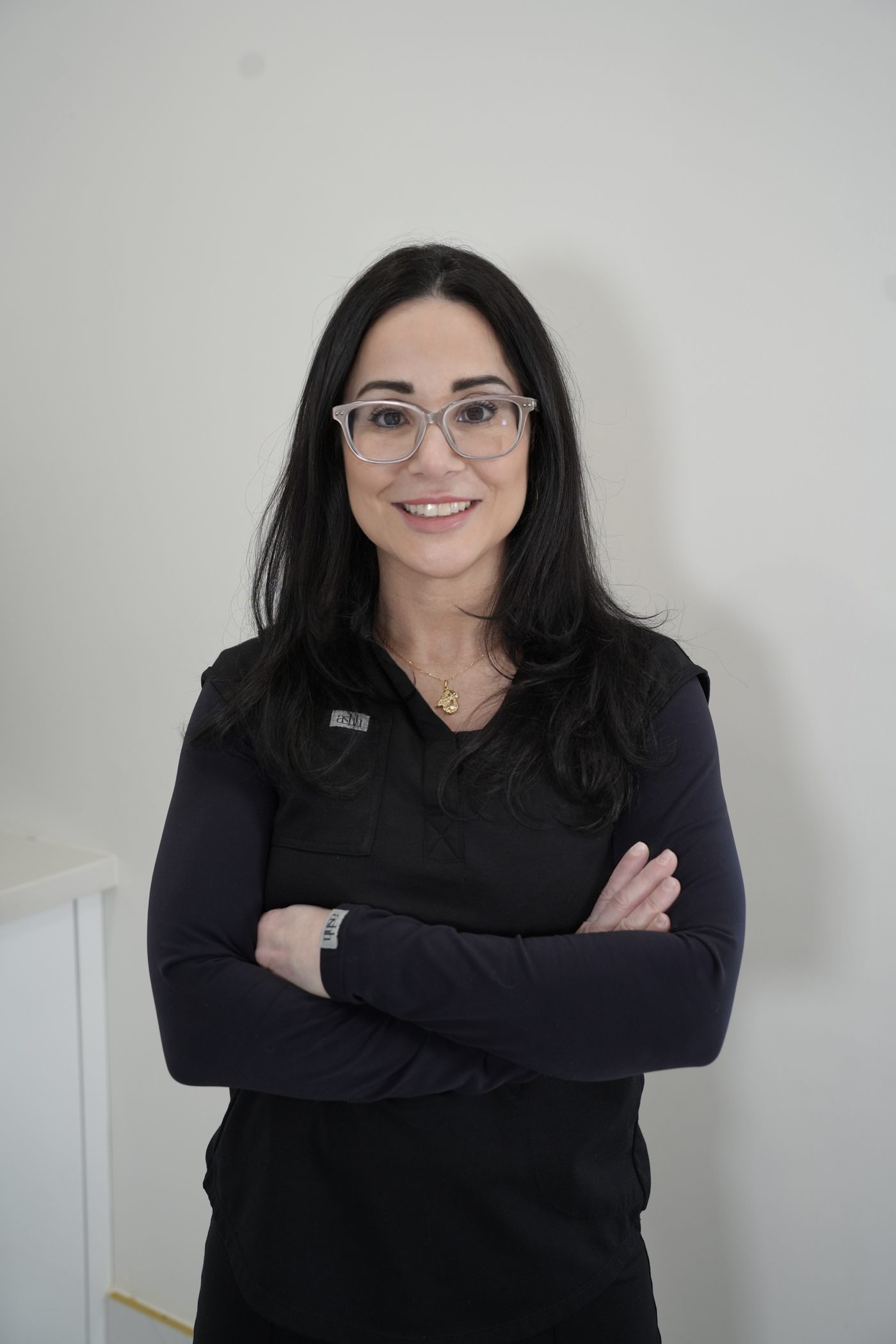
Dr. Mazzuca is a licensed physician practising medical aesthetics in Markham, Ontario, with additional training in cosmetic medicine, facial anatomy, women's health, and longevity medicine. Every treatment at the clinic is performed by her personally. Her registration can be verified through the College of Physicians and Surgeons of Ontario.
Written and medically reviewed by Dr. Monique Mazzuca, MD, CCFP. Last reviewed 2026-08-07.
This page is general information, not medical advice, and it is not a substitute for an in-person assessment. Results vary between patients, and every treatment carries risks that are reviewed with you before you consent. Suitability is determined by Dr. Mazzuca at your consultation.
Other treatments at the clinic
Book your under-eye rejuvenation appointment
See real-time availability and book directly with Dr. Mazzuca in Markham.
Book a ConsultationOr call 905‑605‑6745