Practical · 6 min read
What Treatments Actually Cost, and Why
Pricing in aesthetic medicine is deliberately hard to compare. Here is how it actually works, and what a realistic year looks like.

Most clinics publish a starting price and stop there, which tells you almost nothing about what you will pay. The units differ, the quantities differ, and the number of sessions differs. It leaves patients comparing figures that are not comparable, and it is the reason cost is the question people most want answered and least often get answered plainly.
So, plainly.
Per unit, per syringe, per session
Aesthetic treatments are priced in three different ways, and confusing them is where most sticker shock comes from.
Per unit applies to neuromodulators such as Botox. A unit is a measure of the product, not of an area. When a clinic advertises Botox at $10 per unit, the relevant question is how many units your treatment needs. Frown lines typically take 12 to 25 units; a full upper face is often 30 to 64. So the same advertised price produces a bill between roughly $120 and $640 depending entirely on what you are having done. A clinic advertising a flat "$199 per area" is not necessarily cheaper; it depends on how many units that area contains, and some patients end up paying for units they do not receive.
Per syringe applies to dermal fillers and biostimulators. A syringe is typically one millilitre, about a fifth of a teaspoon. Lips usually take one; a cheek restoration might take two; a jawline can take two to four. The price per syringe varies by product because the products genuinely differ in cost.
Per session applies to devices and skin treatments such as microneedling, peels and light-based treatments. Here the important number is not the session price but the number of sessions, because almost none of these produce their result in one visit. A $350 session is a $1,400 treatment if the plan calls for four.
What a year actually looks like
The useful way to think about cost is annually, since almost all of these treatments are maintained rather than completed. Using the current prices at this clinic:
| If your priority is | A realistic plan | Roughly, per year |
|---|---|---|
| Frown lines only | Neuromodulator, 3 to 4 visits a year | $500 to $800 |
| Full upper face, softened | Neuromodulator, 3 to 4 visits a year | $1,200 to $2,000 |
| Skin texture and glow | 3 microneedling sessions, then maintenance | $1,400 to $1,800 |
| Acne scarring | 4 to 6 microneedling sessions in year one | $1,400 to $2,100 |
| Volume and firmness | Sculptra course of 2 to 3 vials, lasts about 2 years | $1,400 to $2,100, then little |
| Lips | 1 syringe every 9 to 12 months | $500 to $700 |
| Hair thinning | PRP, 3 to 4 sessions then maintenance | $1,800 to $2,700 in year one |
These are ranges for planning, not quotes; your actual plan is confirmed at consultation before anything is done. But they are more honest than a starting price, and they let you decide what you actually want to spend money on before you are sitting in a chair.
Why the cheapest quote is often the most expensive
Aesthetic treatment is one of the few purchases where the low bid reliably costs more, for reasons that are not obvious until afterwards.
Dilution and dosing. Neuromodulator is supplied as a powder and reconstituted with saline. A clinic can dilute it more heavily and charge less per unit while delivering less actual product per unit. Your result fades in six weeks instead of fourteen, and you return three times a year more often. The per-unit price was lower and the annual cost was higher.
Under-treatment as a sales structure. A very low session price sometimes reflects a plan that requires many more sessions than the treatment clinically needs.
Who is holding the syringe. Cost differences between an aesthetician-run clinic and a physician-led one are substantially about who assesses you, who treats you, and who manages a complication if one occurs. Fillers can be injected into a blood vessel; this is rare and it is a medical emergency requiring immediate treatment. Biostimulators cannot be dissolved at all. The value of medical training shows up exactly on the day something goes wrong, and not before.
Correction. Dissolving unwanted filler is its own appointment with its own fee, and a face that has drifted over years of uncoordinated single-syringe decisions takes real money to unwind.
None of this means expensive is automatically better. It means price alone is not information.
Where the money is best spent
If your budget is limited, the ranking is fairly consistent, and it is not the ranking most people expect.
First, sunscreen and a retinoid. Under a hundred dollars a year, better evidence than most procedures, and it protects everything else you might do.
Second, a consultation. Fifty dollars to find out which of your concerns are worth treating, in what order, is the highest-return spending in this entire field. Many patients discover their priority is not what they assumed.
Third, whichever single treatment addresses your actual main concern, done properly. One treatment done to a proper protocol beats three treatments done partially. Splitting a limited budget across several areas is the most common way patients spend real money and see very little.
What to ask before you book anywhere
- How many units or syringes do you expect this to take, and what is the total?
- How many sessions is the full plan, and what does the whole course cost?
- Who performs the treatment, and what are their qualifications?
- What happens if I am not happy at the two-week mark? Is a review included?
- If there is a complication, who manages it, and is there a charge?
- Is there any pressure to buy a package today? (A plan that expires in an hour is a sales tactic, not a medical recommendation.)
A clinic that answers all six without hesitation is telling you something useful about how it operates. So is one that does not.
Prices quoted are current at the time of writing and are starting prices in Canadian dollars. Aesthetic treatments are not covered by OHIP. Some therapeutic treatments may be eligible under private insurance; ask your insurer.
Common questions
How much does Botox cost in Markham?
At this clinic Botox is $10 per unit. Frown lines typically take 12 to 25 units ($120 to $250) and a full upper face 30 to 64 units ($300 to $640). Because results last three to four months, most patients budget for three to four treatments a year.
Why do clinics charge per unit instead of per area?
Per-unit pricing means you pay for the product actually used rather than a flat fee for an area that may need more or less. Flat per-area pricing can mean paying for units you do not receive, or being under-dosed to fit the price.
Is cheaper Botox worse?
Not always, but a very low per-unit price can reflect heavier dilution, which means less product per unit and a result that fades sooner. The meaningful comparison is cost per year, not cost per unit.
What does a year of aesthetic treatment cost?
It depends entirely on the plan. Frown lines alone run roughly $500 to $800 a year; a softened full upper face $1,200 to $2,000; a microneedling series $1,400 to $1,800. A Sculptra course of $1,400 to $2,100 lasts about two years.
Are aesthetic treatments covered by OHIP?
No. Cosmetic treatments are not covered by OHIP. Some therapeutic uses, such as treatment for excessive sweating or chronic migraine, may be partly covered by private extended health plans; check with your insurer.
What is the best thing to spend money on first?
Daily sunscreen and a retinoid, then a consultation to establish what is actually worth treating and in what order, then a single treatment done to a full protocol rather than several treatments done partially.
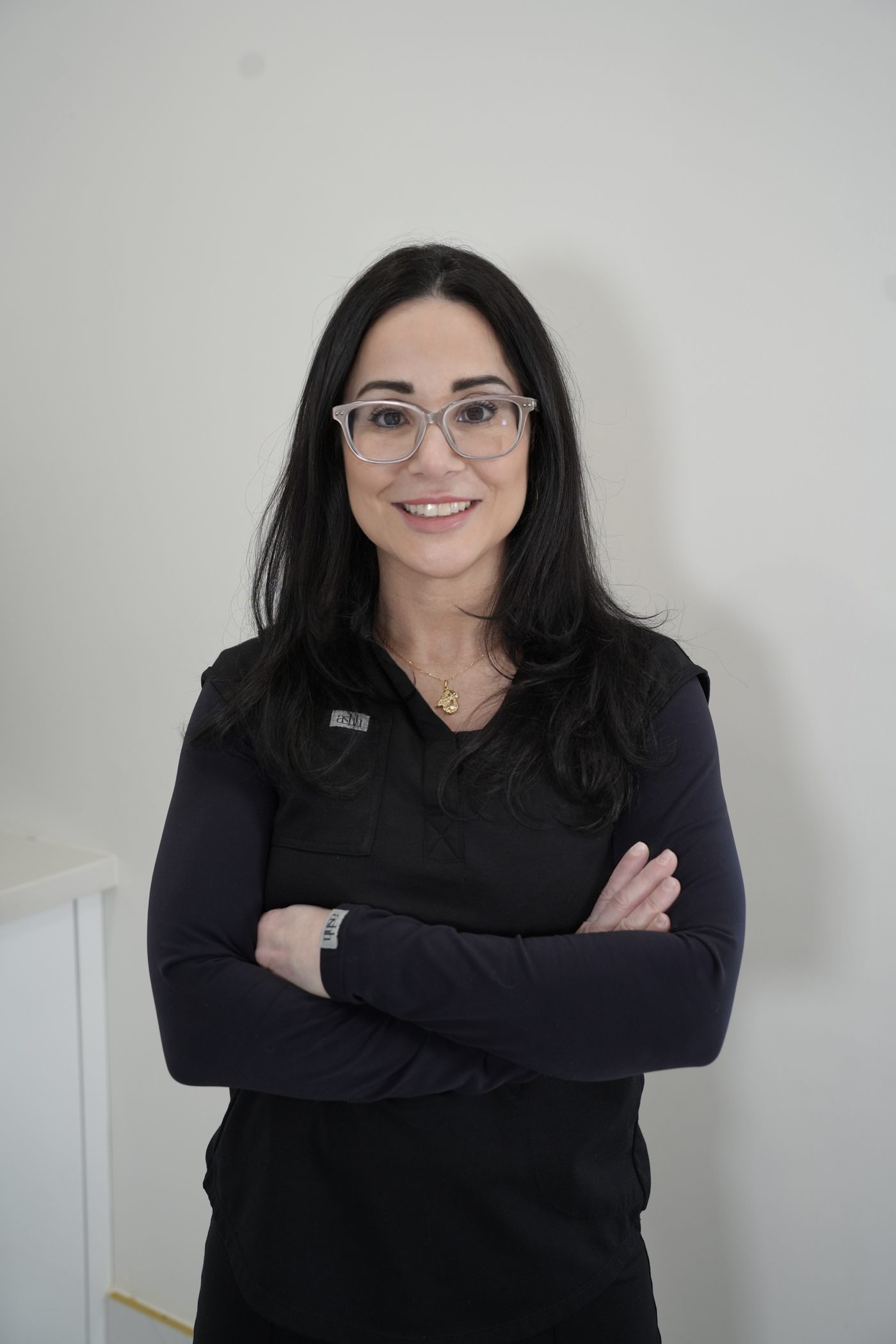
Dr. Mazzuca is a licensed physician practising medical aesthetics in Markham, Ontario, with additional training in cosmetic medicine, facial anatomy, women's health, and longevity medicine. Every treatment at the clinic is performed by her personally. Her registration can be verified through the College of Physicians and Surgeons of Ontario.
Written and medically reviewed by Dr. Monique Mazzuca, MD, CCFP. Published September 8, 2026.
This article is general information, not medical advice, and it is not a substitute for an in-person assessment. Results vary between patients, and every treatment carries risks that are reviewed with you before you consent. Suitability is determined by Dr. Mazzuca at your consultation.
More from the Journal


