Markham, Ontario · Physician-performed
Skin Tag and Mole Removal in Markham
Safely remove bothersome or cosmetically unwanted skin tags and select benign moles using minimally invasive techniques performed by a physician. Treatments are designed to achieve excellent cosmetic outcomes with minimal downtime.
- Price
- from $250
- Appointment
- 60 minutes
- Performed by
- Dr. Mazzuca, MD
- Location
- Markham, ON
Book a Consultation Book Skin Tag & Mole Removal directly
Quick answer
Skin tag and mole removal at Dr. Monique Mazzuca Aesthetics in Markham starts at $250, in a 60-minute appointment performed personally by a licensed physician (MD, CCFP) at 200 Cachet Woods Court, Suite 309. Skin tags and select benign moles are removed under local anaesthetic with minimally invasive techniques, usually in a single visit. Most sites heal in one to three weeks and leave a small flat mark that fades over months. Every spot is examined first: any mole that is new, changing or unusual needs medical assessment, and may need a biopsy and pathology, rather than cosmetic removal. New patients start with a $50 consultation.
Skin tags and moles explained
Skin tags (acrochordons) are small, soft, flesh-coloured or slightly darker growths that hang from the skin on a thin stalk. They are very common, harmless, and tend to appear where skin rubs against skin or clothing: the neck, underarms, eyelids, under the breasts and in the groin. They become more common with age and are also linked with weight gain, pregnancy and insulin resistance. They are not contagious and do not turn into cancer, but they can catch on jewellery, collars and razors, become irritated, or simply be unwanted.
Moles (naevi) are clusters of pigment cells. Most are harmless, and many adults have dozens. They can be flat or raised, brown, tan or skin-coloured, and they often become softer and more raised over the years. Some people want a raised mole removed because it catches when shaving or brushing hair, or for cosmetic reasons. Unlike skin tags, though, moles are made of the same type of cell that melanoma comes from, so they are approached with more caution.
Dr. Mazzuca's description of this service is deliberate: removal of skin tags and select benign moles. A mole is only treated as a cosmetic removal once she has examined it and is satisfied that it looks benign.
Moles that need medical assessment first
This is the most important part of this page. Skin cancer, including melanoma, can look like an ordinary mole, and early detection matters a great deal. A mole should be assessed by a physician, rather than booked for cosmetic removal, if it shows any of the features doctors look for, often summarized as ABCDE:
- A, asymmetry: one half does not match the other.
- B, border: the edge is irregular, ragged, notched or blurred.
- C, colour: several shades of brown or black, or patches of red, white, grey or blue.
- D, diameter: larger than about 6 mm (the size of a pencil eraser), although melanomas can be smaller.
- E, evolving: any change in size, shape, colour, height or symptoms.
Other warning signs include a new mole appearing in adulthood, a spot that looks different from all your other moles (the "ugly duckling" sign), and a mole or spot that itches, bleeds, crusts or does not heal. Not every skin cancer is a mole: a pearly or shiny bump, a scaly patch that persists, or a sore that will not heal also needs checking. Your risk is higher if you have many moles, fair skin, a history of sunburns or tanning beds, or a personal or family history of skin cancer.
What happens if a spot looks suspicious. Dr. Mazzuca will not remove a suspicious mole as a cosmetic procedure. Instead, she will explain her concern and arrange the appropriate medical next step, which may include a biopsy with the tissue sent to a laboratory for pathology, or referral to a dermatologist or your family doctor. In Ontario, medically necessary assessment and removal of suspicious lesions is generally handled through the public health system. Removing a mole cosmetically without examining it can delay a diagnosis, and methods that destroy tissue leave nothing for a pathologist to examine.
A cosmetic removal appointment is also not a substitute for a full skin check. If you are worried about your moles in general, mention it to Dr. Mazzuca or your family doctor, and check your own skin regularly.
How removal works
The technique depends on what the lesion is, its size, where it sits and your skin type. Dr. Mazzuca chooses the least invasive method that is likely to give a good cosmetic result:
- Snip removal for small skin tags: the stalk is numbed if needed and cut cleanly at the base with fine sterile instruments. Tiny tags may need no anaesthetic at all.
- Shave removal for raised benign moles: after local anaesthetic, the part of the mole above the skin surface is shaved flush with a sterile blade, leaving a shallow wound that heals without stitches.
- Cautery to stop minor bleeding and smooth the edges, or to treat very small tags.
- Excision with stitches may be advised for some deeper or larger moles where a shave would be likely to leave pigment behind. If that is the case, Dr. Mazzuca will discuss whether it is best done at the clinic or by referral.
Destructive methods such as freezing are generally not used on moles, because they leave no tissue to examine. Dr. Mazzuca will discuss with you whether a removed mole should be sent for pathology and how that is arranged.
Skin tag and mole removal in Markham: what it treats
- Skin tags on the neck, underarms, eyelid area, chest, under the breasts and other areas of friction.
- Raised benign moles on the face and body that catch on clothing, jewellery or a razor, or that are cosmetically bothersome.
- Several lesions in one visit, where time and the size of each allow; this is confirmed at assessment.
Lesions that look suspicious, flat moles where removal would mainly leave a scar, and very large or deep lesions may not be suitable for cosmetic removal, and Dr. Mazzuca will tell you if that is the case.
How much skin tag and mole removal costs in Markham
Skin tag and mole removal with Dr. Mazzuca starts at from $250, booked as a 60-minute appointment. The final price depends on the number, size and location of the lesions and the technique required, and it is confirmed with you before anything is removed. New patients begin with the $50 Comprehensive Aesthetic Consultation, or a $20 virtual consultation if you are outside the area, although moles do need to be seen in person before removal.
In Ontario, removing benign skin tags and moles for cosmetic reasons is not covered by OHIP. Assessment of a suspicious mole, and removal or biopsy that is medically necessary, is a different situation and is generally arranged through the public system.
Who it is for, and who should wait
This service suits adults with skin tags or clearly benign raised moles that are irritated, catch on things, or that they simply prefer not to have. It is not suitable for any lesion that has features of concern, which are assessed first as described above.
Dr. Mazzuca will review your health history and may recommend waiting, or a different approach, if you:
- are pregnant (skin tags that appear in pregnancy sometimes settle afterwards, and non-urgent procedures are usually deferred);
- have a bleeding disorder or take blood thinners, which you should never stop without your prescribing doctor's advice;
- have an allergy to local anaesthetic;
- have a pacemaker or other implanted electronic device, which affects whether cautery can be used;
- have a history of keloid or raised scarring, particularly for lesions on the chest, shoulders, upper back or earlobes;
- have an infection, rash or broken skin in the area, or a condition or medication that slows wound healing.
What the appointment is like
- Examination. Dr. Mazzuca reviews your history and examines each lesion you want removed, often with magnification. This step decides what can be removed cosmetically and what needs a different pathway.
- Plan and consent. She explains the technique for each spot, what the healing and final mark are likely to look like, the risks, the price, and whether pathology is advised.
- Numbing. The area is cleaned and a small amount of local anaesthetic is injected. This stings for a few seconds, then the area is numb.
- Removal. Each lesion is removed with sterile instruments, usually in a few minutes. You may feel pressure but should not feel pain.
- Dressing. Any bleeding is stopped and a small dressing is applied. You leave with written aftercare instructions and can usually return to normal activities the same day.
Healing and results
Small skin tag sites usually heal within about a week. Shave sites form a thin scab and typically heal over one to three weeks, depending on size and location; the face tends to heal faster than the back or legs. Once healed, the area is usually a small, flat pink mark that fades gradually over several months. In medium to deeper skin tones, the mark may look lighter or darker than the surrounding skin for a while.
A removed skin tag does not grow back, but new tags can form elsewhere over time. After shave removal of a mole, some pigment cells can remain below the surface, so a small amount of colour can return in the area. If a removed mole regrows, have it checked, and tell the examining doctor that it was removed before. Every removal leaves some kind of mark; the aim is a mark that is less noticeable than the original lesion, but this cannot be guaranteed.
Side effects and risks
Expected: a brief sting from the anaesthetic, minor bleeding, mild tenderness and redness, and a scab while the area heals.
Less common: infection, which usually responds to simple wound care or treatment; a slightly indented or raised mark; lighter or darker skin at the site; and regrowth of pigment after a mole is shaved.
Rare: a thickened or keloid scar, especially on the chest, shoulders and back in people prone to them; allergic reaction to the anaesthetic or dressing; and nerve irritation in very specific locations. Dr. Mazzuca reviews these risks with you before you consent.
Aftercare
- First 24 to 48 hours: keep the dressing clean and dry, then wash gently with mild soap and water once a day.
- Until healed: keep the wound covered with a thin layer of petroleum jelly or the ointment Dr. Mazzuca recommends and a small bandage. Moist healing usually leaves a better mark than letting it dry out.
- Hands off: do not pick the scab. Avoid shaving over the site, and avoid swimming pools, hot tubs and saunas until it has healed.
- Sun protection: once healed, use SPF 30 or higher on the area for several months to reduce darkening of the mark.
- Watch for infection: increasing redness, warmth, swelling, pus, fever or worsening pain. Contact the clinic promptly if this happens.
Removal methods compared, and why not to do it at home
| Snip removal | Shave removal | Excision with stitches | At-home kits and creams | |
|---|---|---|---|---|
| Typically used for | Skin tags | Raised benign moles | Deeper or larger moles; suspicious lesions | Not recommended |
| Anaesthetic | Sometimes none; local if needed | Local | Local | None |
| Stitches | No | No | Yes | Not applicable |
| Typical mark | Tiny, often barely visible | Small flat mark | Fine linear scar | Risk of burns, scarring and infection |
| Tissue available for pathology | Yes, if needed | Yes | Yes | No |
Cutting, tying off or burning moles and skin tags at home, or using over-the-counter removal creams, can cause infection, bleeding and scarring, and, most importantly, can destroy a skin cancer without it ever being diagnosed. Have any spot examined first. If you are also interested in improving the overall look of your skin after a removal, Dr. Mazzuca can discuss options such as Lumecca IPL for brown spots or SkinPen microneedling for texture once the site has fully healed. For a torn or stretched earlobe, see earlobe repair.
Why patients choose a physician
At this clinic the person assessing you and the person treating you are the same person, and that person is a licensed physician. Dr. Mazzuca is an MD with CCFP certification in family medicine and additional training in cosmetic medicine, facial anatomy, women's health, and longevity medicine. Treatment is not delegated.
Her stated approach is to emphasise "subtle, elegant results that refresh rather than transform, using the least invasive treatments necessary to achieve safe, natural, and lasting outcomes."
For skin lesions, this matters more than for almost any other cosmetic treatment. The value of a physician is not only in the removal itself, which is quick, but in the examination before it: deciding which spots are safe to remove cosmetically, which need a biopsy or referral, and which technique will leave the least noticeable mark. Dr. Mazzuca performs local anaesthesia, sterile removal and wound care herself, and can manage any complication.
Booking, pricing and what happens next
| Step | What it involves | Cost |
|---|---|---|
| 1. Consultation | Facial and skin assessment, discussion of goals, customized plan | $50 (30 min) |
| 2. Virtual option | Video consult if you are outside the Markham area | $20 (15 min) |
| 3. Skin Tag & Mole Removal | Treatment performed by Dr. Mazzuca | from $250 (60 minutes) |
All appointments are booked online through the clinic's booking system, where current availability and pricing are shown before you confirm.
Serving Markham and the Greater Toronto Area
The clinic is located at 200 Cachet Woods Court, Suite 309 in the Cachet Woods area of Markham, near Woodbine Avenue and Major Mackenzie Drive, with parking on site. Patients travel from Unionville, Richmond Hill, Vaughan, Aurora, Stouffville, Thornhill, North York, Scarborough and the wider GTA. If you are outside the area, a virtual consultation is available before you commit to an in-person visit.
Frequently asked questions
How much does skin tag and mole removal cost in Markham?
This treatment is from $250 at Dr. Mazzuca's Markham clinic. Exact pricing depends on your assessment and treatment plan, which is confirmed before treatment begins.
Who performs the treatment?
Every treatment is performed by Dr. Monique Mazzuca, a licensed physician (MD, CCFP) with additional training in cosmetic medicine and facial anatomy. It is not delegated to a technician.
How long is the appointment?
This appointment is scheduled for 60 minutes, which includes your assessment, the treatment, and aftercare instructions.
Do I need a consultation first?
If you are new to the clinic, book a Comprehensive Aesthetic Consultation ($50, 30 minutes). Dr. Mazzuca assesses your concerns and builds a plan before any treatment is booked.
Where is the clinic located?
The clinic is at 200 Cachet Woods Court, Suite 309, Markham, Ontario L6C 0Z8, in the Cachet Woods area near Woodbine Avenue and Major Mackenzie Drive. Patients travel from Unionville, Richmond Hill, Vaughan, Aurora, Stouffville and across the Greater Toronto Area.
Will you remove any mole I ask about?
No. Every mole is examined first. Only moles that look benign are removed cosmetically. If a mole is new, changing, irregular or symptomatic, Dr. Mazzuca will arrange appropriate medical assessment, which may include a biopsy with pathology or referral, instead of a cosmetic removal.
Does skin tag or mole removal hurt?
The local anaesthetic stings for a few seconds; after that, most patients feel only pressure. Some soreness for a day or two afterwards is common and usually settles with simple pain relief.
Will it leave a scar?
Every removal leaves some mark. Skin tag sites are usually barely visible once healed. Shaved moles typically leave a small flat mark that fades over months. Raised scars are uncommon but more likely on the chest, shoulders and back in people prone to them.
Can a mole grow back after removal?
Sometimes. After a shave removal, pigment cells below the surface can cause some colour to return. Removed skin tags do not regrow, though new ones can appear. Any regrowth of a mole should be checked by a doctor.
Is mole removal covered by OHIP?
Cosmetic removal of benign skin tags and moles is not covered by OHIP. Assessment and medically necessary removal or biopsy of a suspicious lesion is generally handled through the public system, often via your family doctor or a dermatologist.
Can several skin tags be removed in one appointment?
Often, yes, depending on their number, size and location. Dr. Mazzuca will confirm what can safely be done in your appointment and the price before starting.
Sources and further reading
- Canadian Dermatology Association: public information on moles, skin cancer and skin self-examination
- American Academy of Dermatology: patient information on skin tags, moles and the ABCDEs of melanoma
- Canadian Cancer Society: information on melanoma and skin cancer
- College of Physicians and Surgeons of Ontario, public register, for verification of Dr. Mazzuca's registration.
Every treatment on this page is booked through Dr. Mazzuca's secure online system. New patients begin with a consultation; returning patients can book the treatment directly.
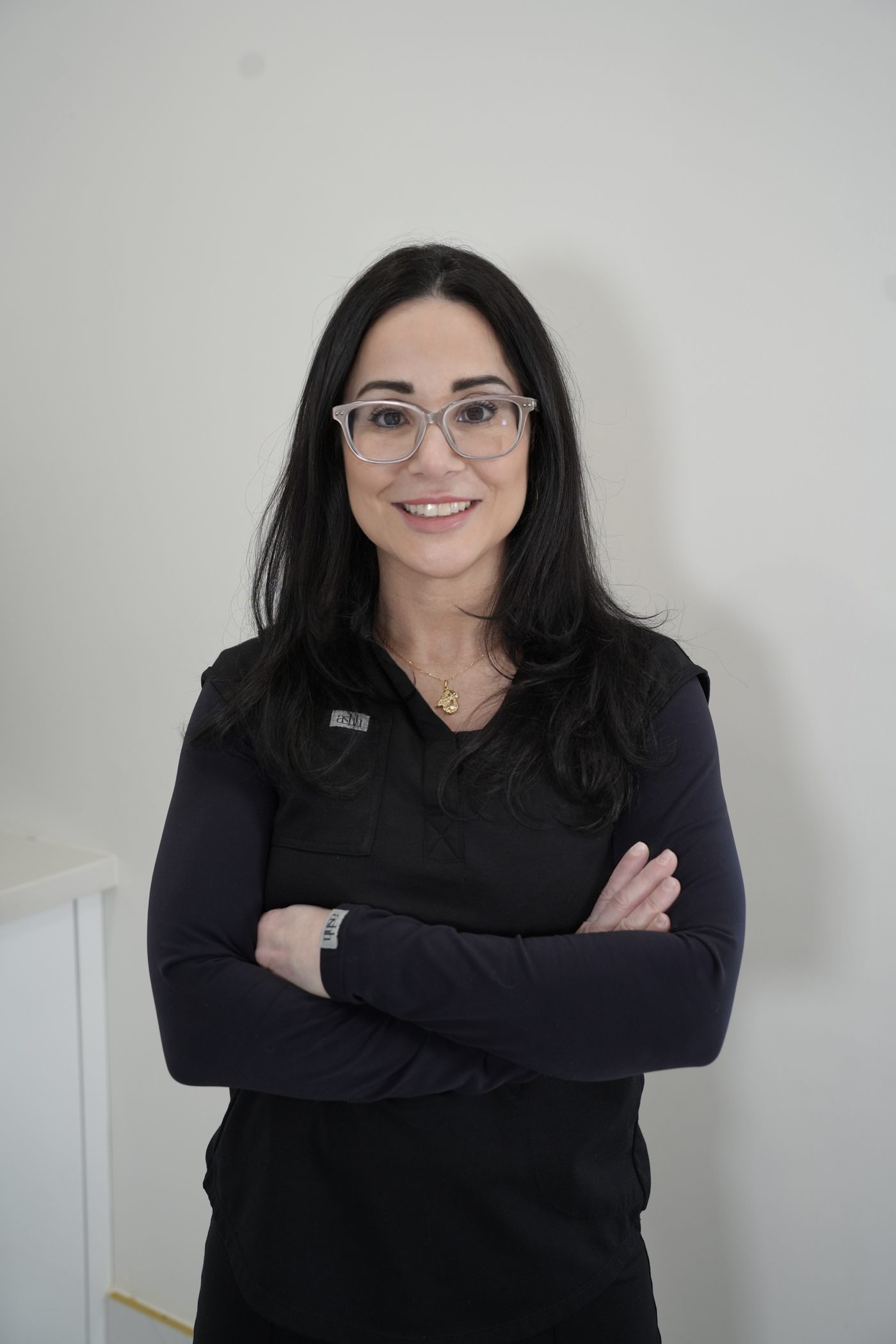
Dr. Mazzuca is a licensed physician practising medical aesthetics in Markham, Ontario, with additional training in cosmetic medicine, facial anatomy, women's health, and longevity medicine. Every treatment at the clinic is performed by her personally. Her registration can be verified through the College of Physicians and Surgeons of Ontario.
Written and medically reviewed by Dr. Monique Mazzuca, MD, CCFP. Last reviewed 2026-08-07.
This page is general information, not medical advice, and it is not a substitute for an in-person assessment. Results vary between patients, and every treatment carries risks that are reviewed with you before you consent. Suitability is determined by Dr. Mazzuca at your consultation.
Other treatments at the clinic
Book your skin tag and mole removal appointment
See real-time availability and book directly with Dr. Mazzuca in Markham.
Book a ConsultationOr call 905‑605‑6745