Skin science · 5 min read
Sun Spots or Melasma? Why the Diagnosis Decides the Treatment
Two kinds of brown patches, two opposite treatment plans. Getting them confused is the most common way pigmentation gets worse.

Uneven pigmentation is one of the most frequent reasons patients book a consultation, and it is the area where an accurate diagnosis matters most. The two most common causes look similar to the untrained eye and respond to treatment in opposite ways.
Sun spots
Solar lentigines, usually called sun spots or age spots, are discrete, flat, well-defined brown marks that appear on skin that has had years of sun exposure: the cheeks, temples, forehead, the backs of the hands, the chest. Each spot is a localised cluster of pigment-producing cells that have been switched on by ultraviolet damage. They are stable, they do not come and go, and they do not depend on hormones.
Sun spots respond very well to light-based treatment. Lumecca IPL targets the pigment directly: the spot darkens over a day or two, forms a fine crust, and flakes away over one to two weeks, leaving clearer skin beneath. Most patients need one to three sessions. Medical-grade peels also help, more gradually.
Melasma
Melasma is different in nature. It appears as larger, symmetrical, blotchy patches with irregular edges, most often across the cheeks, upper lip, forehead and bridge of the nose. It is driven by hormones (pregnancy, oral contraceptives, hormone therapy) interacting with ultraviolet and visible light, and heat. It is far more common in women and in patients with olive, Mediterranean, South Asian, East Asian, Middle Eastern and Hispanic skin. It fluctuates: worse in summer, better in winter, worse again after a holiday.
The critical point is that melasma is a condition of overactive pigment cells, not a cluster of damaged ones. Anything that inflames or heats the skin, including aggressive IPL and many lasers, can provoke those cells and make the patches darker and larger. I have seen many patients whose melasma was treated as sun spots and worsened as a result.
Telling them apart
| Sun spots | Melasma | |
|---|---|---|
| Appearance | Small, separate, sharp-edged | Large, blotchy, irregular, symmetrical |
| Location | Anywhere sun-exposed, including hands and chest | Cheeks, upper lip, forehead, nose bridge |
| Behaviour | Stable | Fluctuates with season, hormones, heat |
| Onset | Gradual, from the forties | Often twenties to forties, frequently with pregnancy or the pill |
| IPL | Effective | Risky; can worsen |
What actually works for melasma
Melasma is managed rather than cured. The foundation is strict, daily, tinted mineral sunscreen, because iron oxides in tinted formulas block the visible light that untinted sunscreens do not. Topical agents that calm the pigment cells, including hydroquinone in short supervised courses, tretinoin, azelaic acid and tranexamic acid, do most of the work. Gentle superficial peels can accelerate clearance. Oral tranexamic acid is an option for resistant cases under medical supervision. Any device treatment is low-energy, cautious and secondary.
The consultation
Pigment is assessed in good light, sometimes with a Wood's lamp, and always with a history: when it started, whether it changes with the seasons, what medications and hormones you take. That fifteen minutes determines whether your treatment plan is a series of IPL sessions or a prescription and a tube of sunscreen. It is not a step to skip.
Common questions
How do I know if I have sun spots or melasma?
Sun spots are small, separate, sharply defined marks that stay stable. Melasma forms larger, blotchy, symmetrical patches on the cheeks, upper lip or forehead, and fluctuates with sun, heat and hormones. A physician can confirm the diagnosis in good light.
Does IPL work on melasma?
IPL is effective for sun spots but is risky for melasma, where the heat and light can stimulate the pigment cells and make the patches darker. Melasma is managed primarily with sunscreen and topical prescription agents.
How many IPL sessions remove sun spots?
Most patients need one to three Lumecca IPL sessions. Each treated spot darkens, crusts and flakes away over one to two weeks.
Can melasma be cured?
Melasma is controlled rather than cured. Strict daily tinted mineral sunscreen, topical agents such as tretinoin, azelaic acid, tranexamic acid or supervised hydroquinone, and gentle peels keep it clear, but it can return with sun exposure or hormonal changes.
What sunscreen is best for pigmentation?
A broad-spectrum mineral sunscreen with a tint, applied every morning. The iron oxides in tinted formulas block visible light, which contributes to melasma and which untinted sunscreens do not filter.
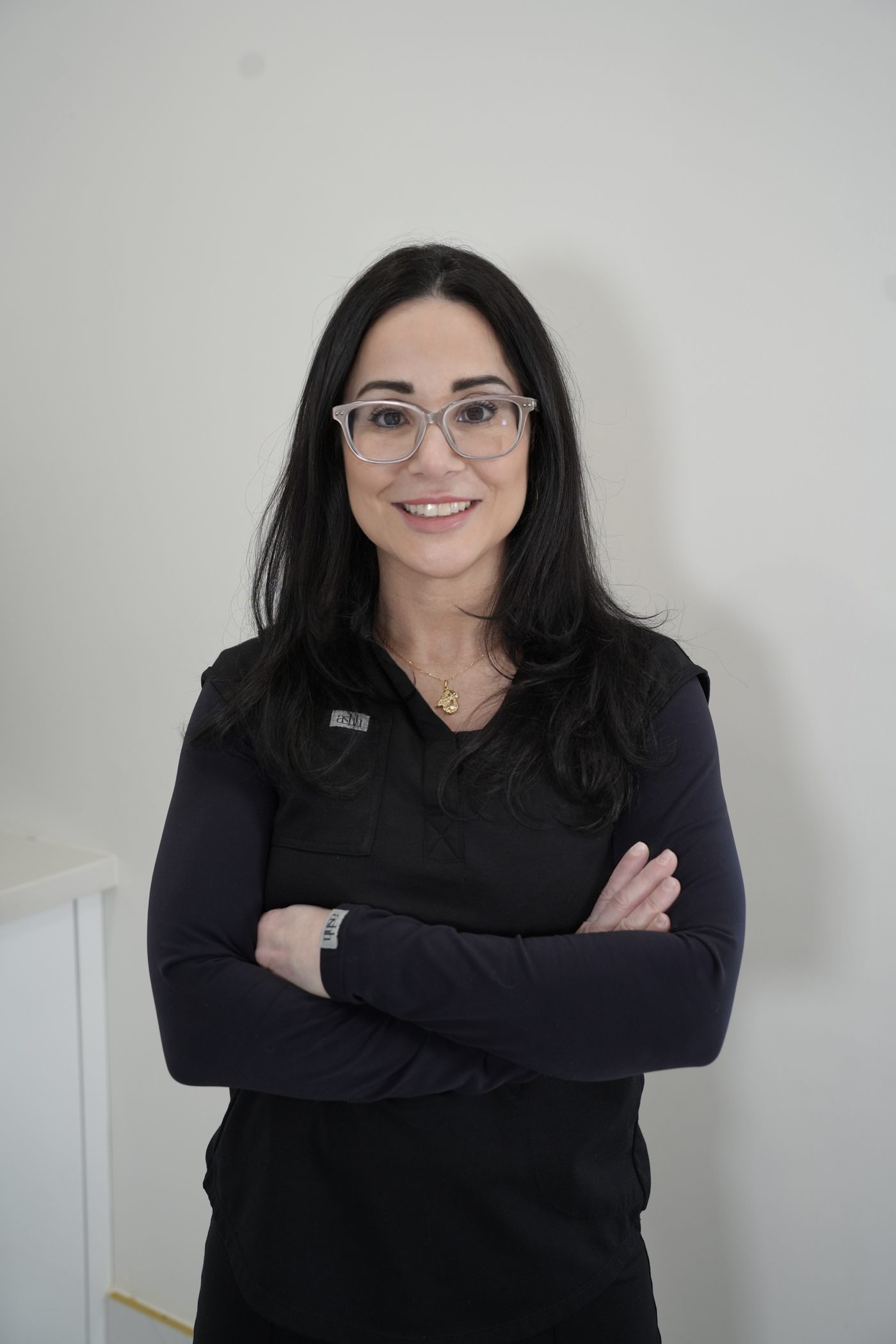
Dr. Mazzuca is a licensed physician practising medical aesthetics in Markham, Ontario, with additional training in cosmetic medicine, facial anatomy, women's health, and longevity medicine. Every treatment at the clinic is performed by her personally. Her registration can be verified through the College of Physicians and Surgeons of Ontario.
Written and medically reviewed by Dr. Monique Mazzuca, MD, CCFP. Published September 11, 2026.
This article is general information, not medical advice, and it is not a substitute for an in-person assessment. Results vary between patients, and every treatment carries risks that are reviewed with you before you consent. Suitability is determined by Dr. Mazzuca at your consultation.
More from the Journal

